Whether you're on-site, in the van, or unwinding after a long shift, we've got the latest insights to keep you ahead of the game. With an in-depth look into TT Earthing, the next generation of tools... Maybe? And even a test to see if you truly know your tools.

What is a TT Earthing System?
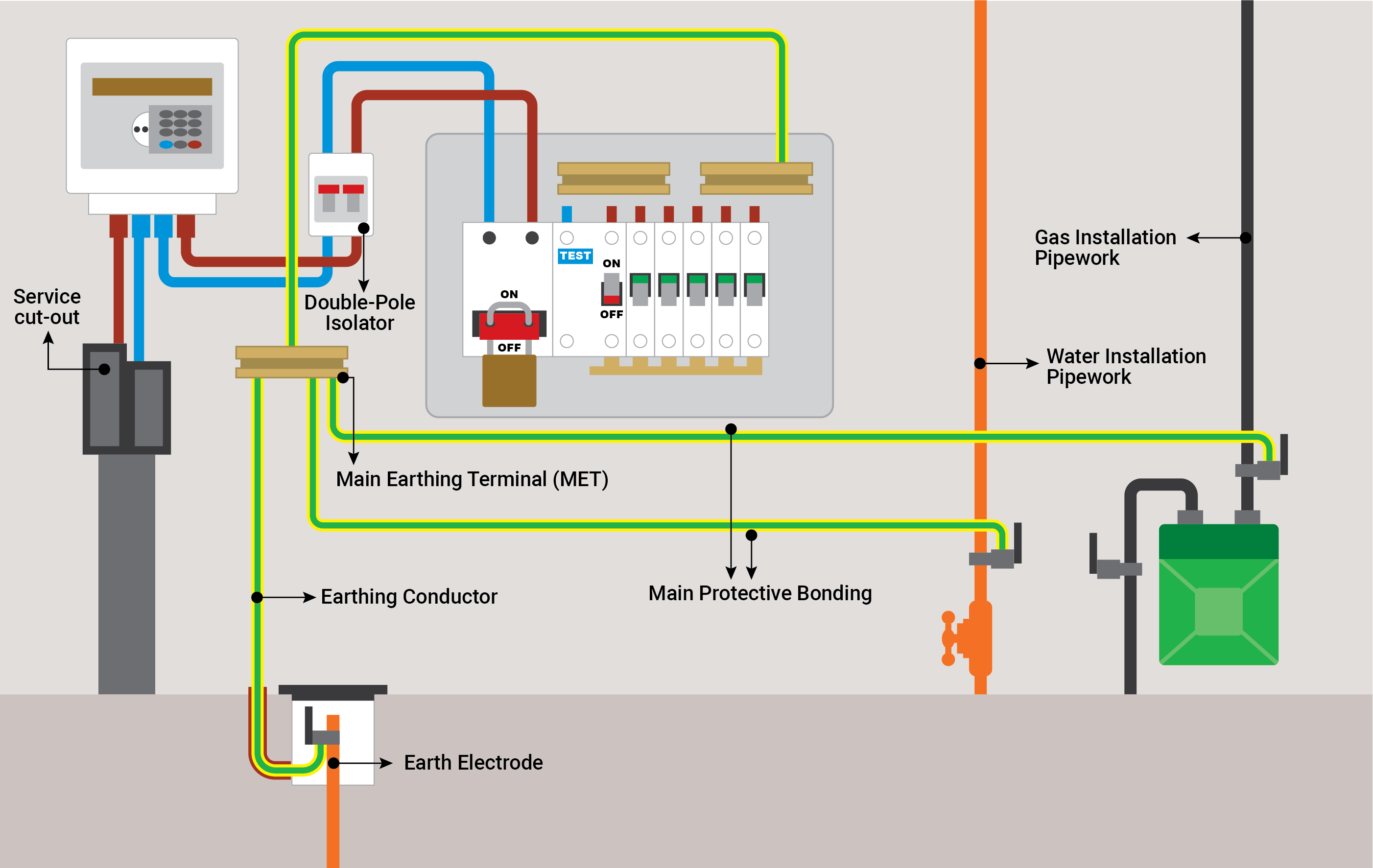
A TT earthing system is commonly used in installations where a reliable earth connection cannot be directly provided by the utility supply. Instead, it relies on a local earth electrode (or electrodes) to ensure safety in the event of an electrical fault. This system is widely seen in rural areas or older installations where utility- provided earthing is not feasible.
How it Works:
- An earth electrode is embedded directly into the ground, typically near the installation.
- Fault current flows through the exposed conductive parts of the installation and reaches the electrode.
- The electrode discharges the fault current directly into the ground, preventing dangerous voltage build-up.
Key Components of a TT System
- Earth Electrode: Provides the primary connection to Earth.
- Residual Current Devices (RCDs): Crucial for fault protection, as the impedance (Z) of the earth path is typically higher in TT systems compared to TN systems.
- Protective Bonding: Ensures all conductive parts within the installation are at the same potential to reduce shock risks.
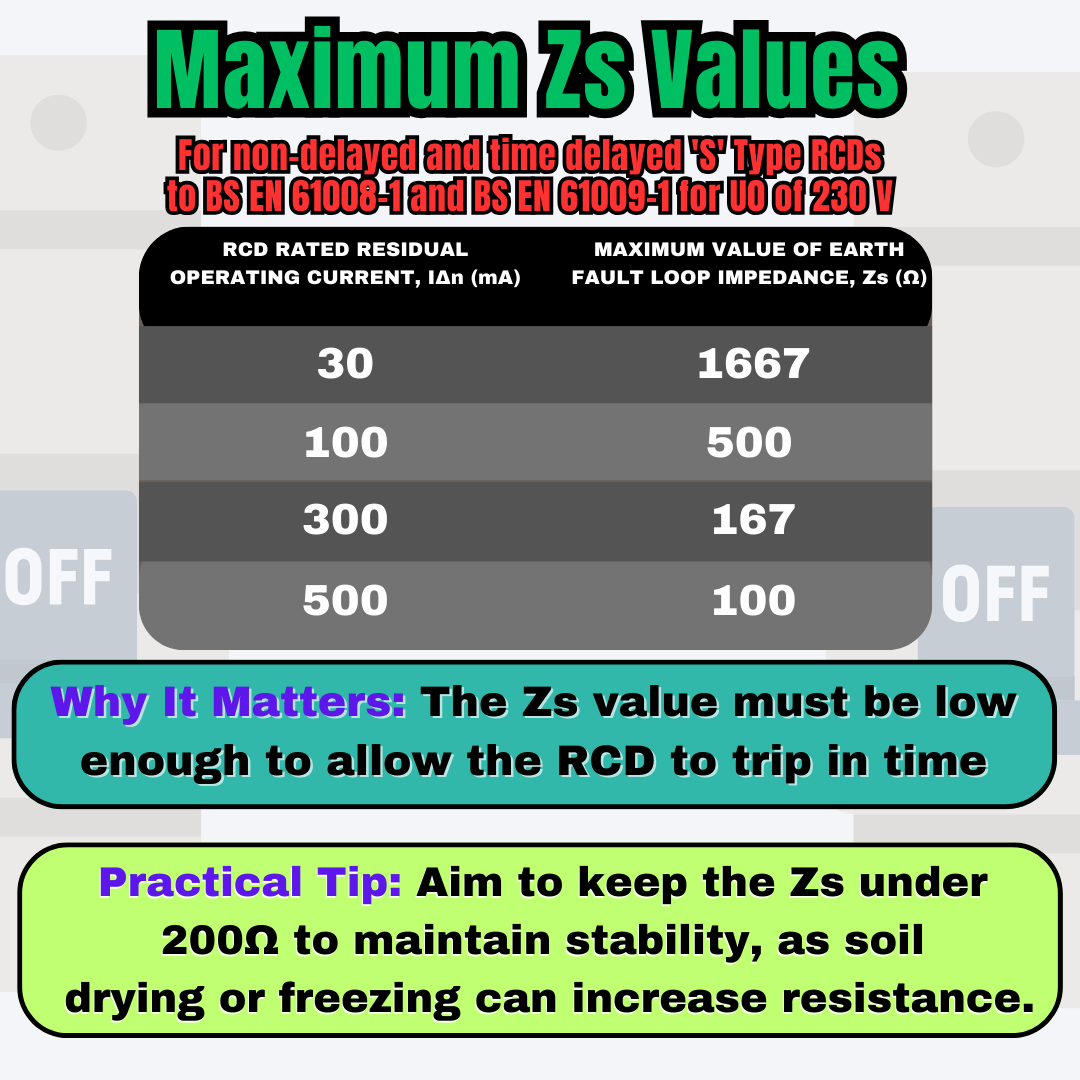
Z measures the resistance of the fault current path. In TT systems, the value of Z is critical for ensuring that fault currents will be sufficient to trip protective devices.
So for a 30mA RCD to operate correctly & safely we need the Z value to be equal to or less than 1,667Ω.
Disconnection Times and RCD Protection
Disconnection times for TT systems are stricter than those for TN systems due to the higher earth impedance. According to BS 7671:
- For TT systems, final circuits must disconnect within 0.2 seconds for circuits up to 32A.
- For sub-main and distribution circuits, the disconnection time should not exceed 1 second.
The combination of RCDs and proper bonding ensures that faults are detected and disconnected within these critical time frames.
The Earth Electrode and Its Resistance
BS 7671 recommends that the resistance of the earth electrode should be as low as practicable, with values under 200Ω considered acceptable. However, electrode resistance can be influenced by factors such as soil moisture and temperature. Regular testing is necessary to maintain safe conditions.
Main Factors Affecting Earth Resistance:
- Soil resistivity: Moist soil provides better conductivity.
- Electrode length and material: Longer electrodes and copper materials help lower resistance.
- Environmental conditions: Dry seasons increase soil resistivity.
- Quick Tip: Test the resistance during the driest time of the year to ensure it doesn't exceed the acceptable limit (typically 200 Ω).
Protective Bonding Requirements
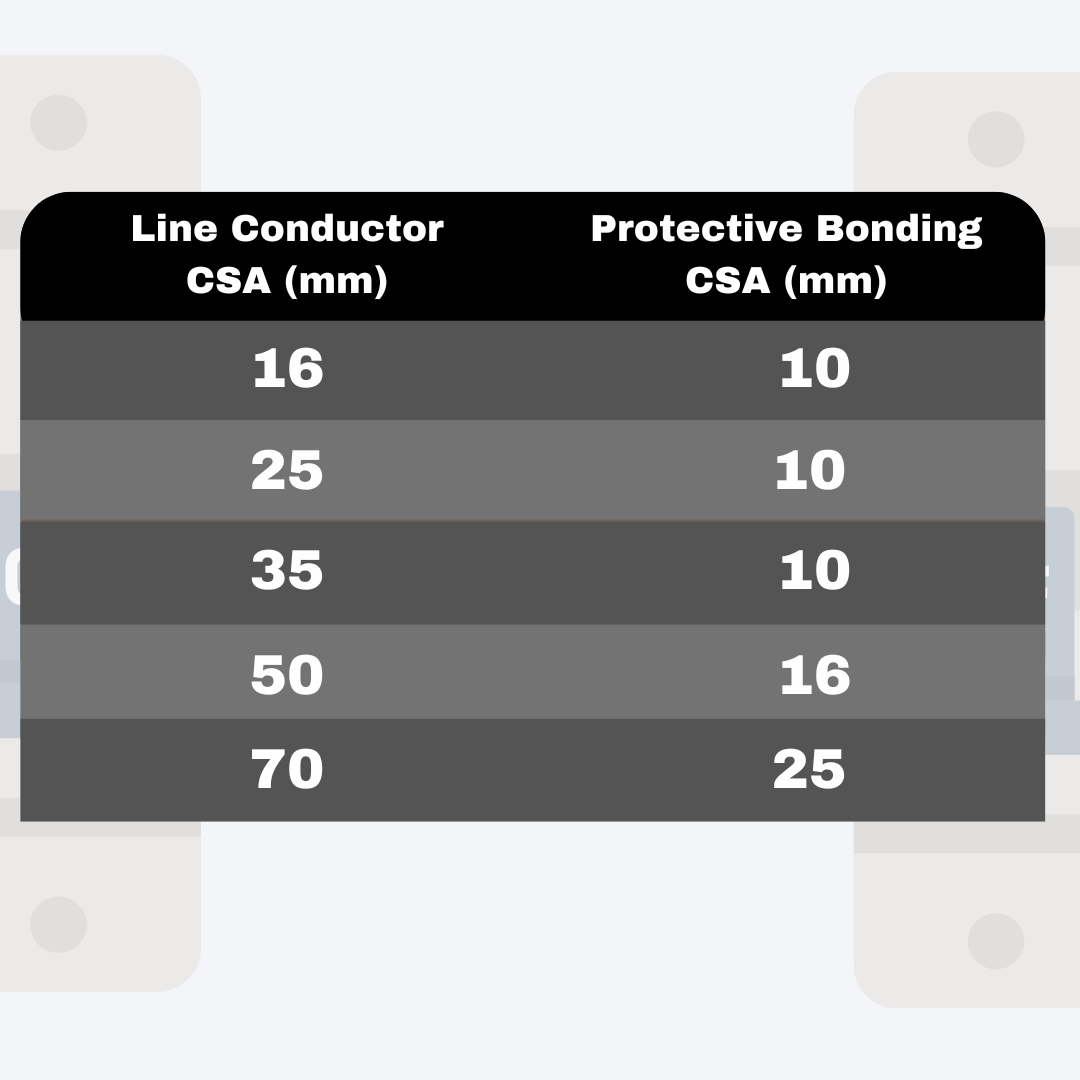
Protective bonding equalizes the potential between conductive parts to minimize shock hazards. For TT systems, protective bonding conductors should have a minimum cross-sectional area (CSA) based on the size of the line conductor (see Table 3.7).
Ensure bonding is in place for extraneous-conductive parts such as metal pipes, gas installations, and structural steel, this will ensure they are all at the same equal potential.
The Common Issue with RCD Selectivity on a TT System
In a TT system, the majority of circuits must be RCD-protected due to the higher impedance of the earthing arrangement, but achieving proper selectivity between RCDs can be a challenge. Here's the problem you're facing:
- Garage circuit not RCD Protected: If the MCB feeding a garage board with multiple 30mA RCBOs is replaced by a 30mA RCBO, the system would lack proper selectivity. When a fault occurs, the 30mA RCBO at the supply could trip before the individual RCBOs, causing unnecessary power loss to the entire garage instead of isolating only the faulty circuit.
What Can You Do to Fix It?
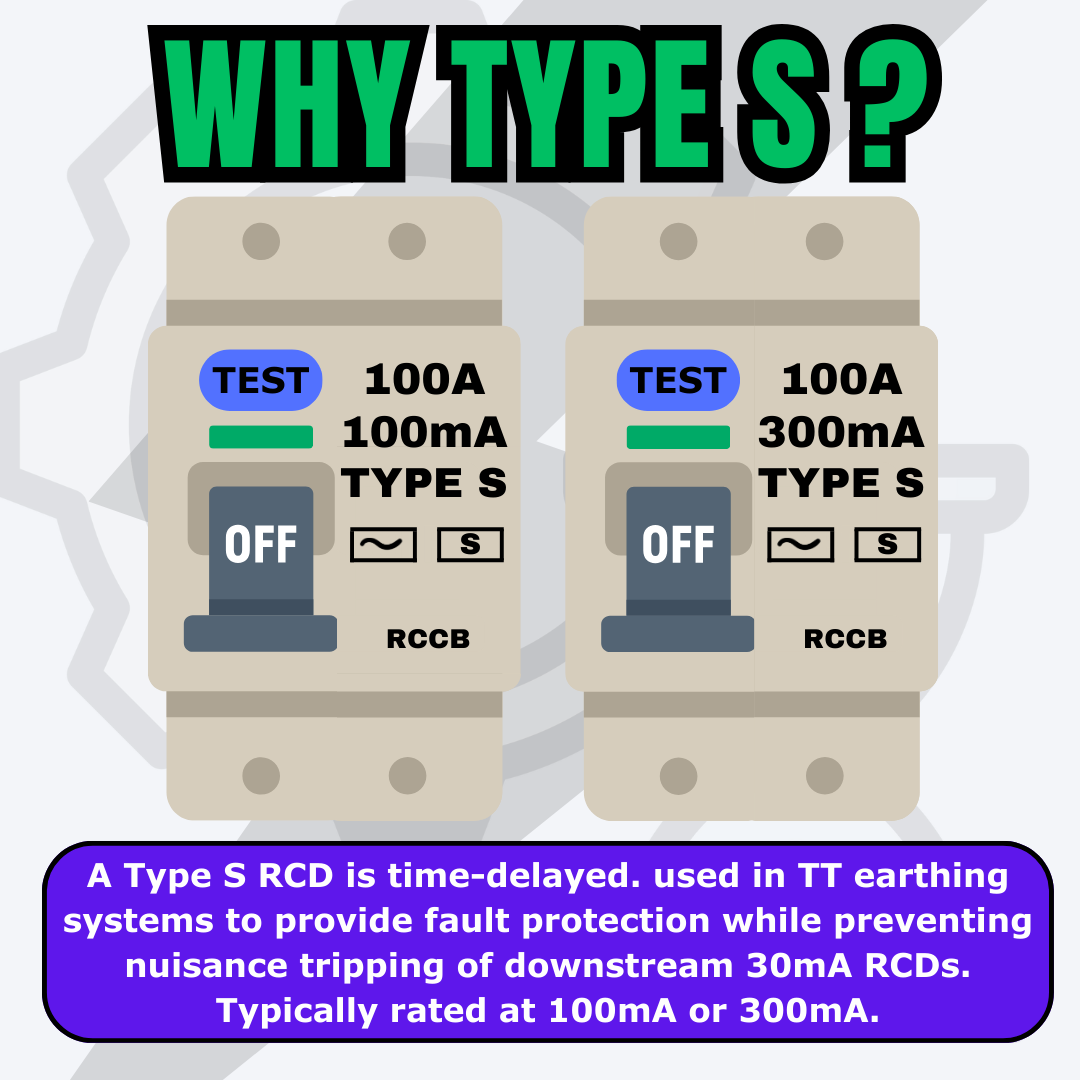
Use a 100mA S-type (Time-Delayed) RCD on the Main Supply
- Keep the garage supply protected by an MCB and install a 100mA S-type RCD at the mains. This allows the individual 30mA RCBOs in the garage to trip first during a fault.
- The time-delay feature ensures the upstream RCD won't trip before the downstream 30mA RCBOs.

We asked AI to create a revolutionary tool that could change the electrical installation industry and here's what it created...
The "VoltScan Pro" a tool by definition is truly revolutionary, check out below what it can do...
✅ Scans Walls Instantly - Detects hidden wires, circuits, and faults without cutting or drilling.
✅ Augmented Reality (AR) Display - Shows a live circuit map on your phone or AR glasses.
✅ Touchless Voltage & Fault Detection - Finds issues like overloads, bad connections, and grounding problems without touching the wires.
✅ Smart Wire Labelling - Auto-tags wires with color-coded signals to prevent mix-ups.
It even generated a price point at £1,299 which I think is an absolute steal, would you buy the VoltScan Pro if it existed?
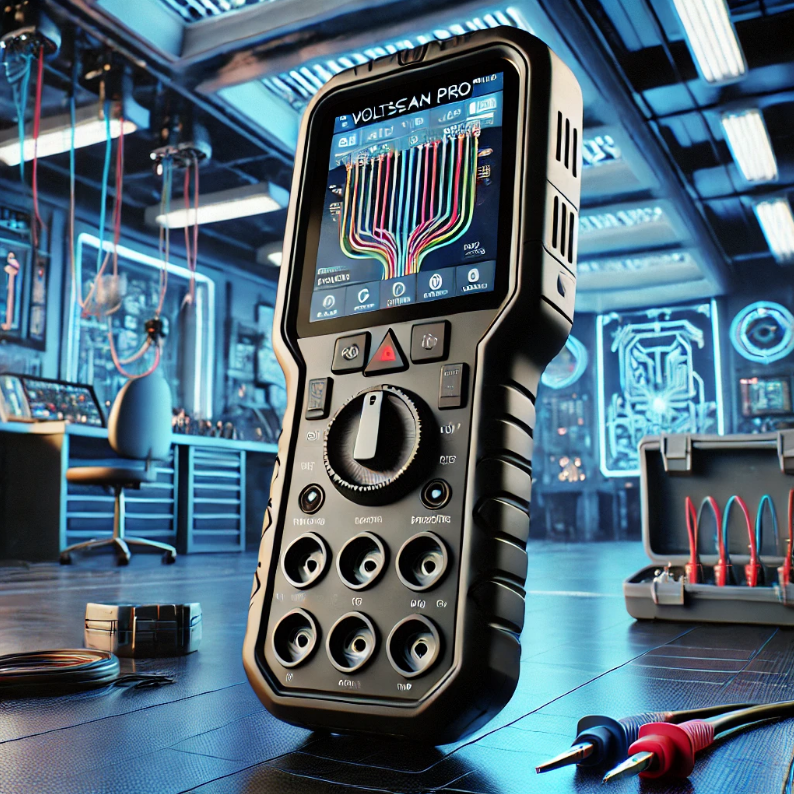 📷 - AI Image Generator


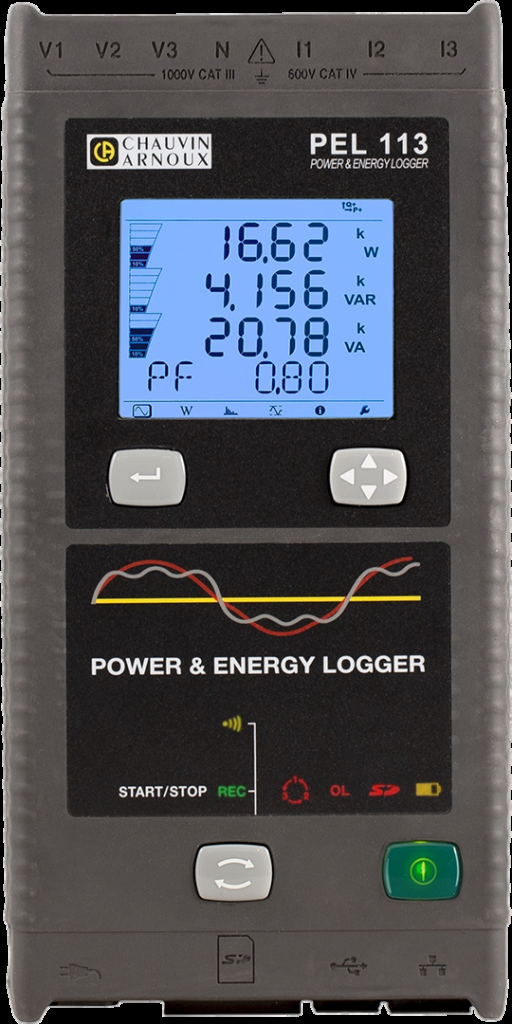
Struggling to track energy usage or optimize your electrical network?🤔 With real-time monitoring, high-speed data logging (every 200ms), and non- intrusive installation, this instrument delivers crucial insights without cutting power.
Capable of measuring voltages up to 1,000V, and currents up to 10kA, the PEL 113 ensures compliance with ISO 50001 & EN 16247-3 - perfect for energy audits, load studies, and efficiency optimizations.
🔍 Why Choose the PEL 113?
✅ No Downtime
✅ Comprehensive Diagnostics
✅ Unmatched Accuracy
✅ Smart Sensor Recognition
💡 Stop guessing and start optimizing your energy usage today. Click below to explore the PEL 113 now! ⬇️

Take a close-up look at some of the most popular tools used on-site. Can you guess which ones they are?
Scroll slowly as the answer for each one is below the hidden tool...
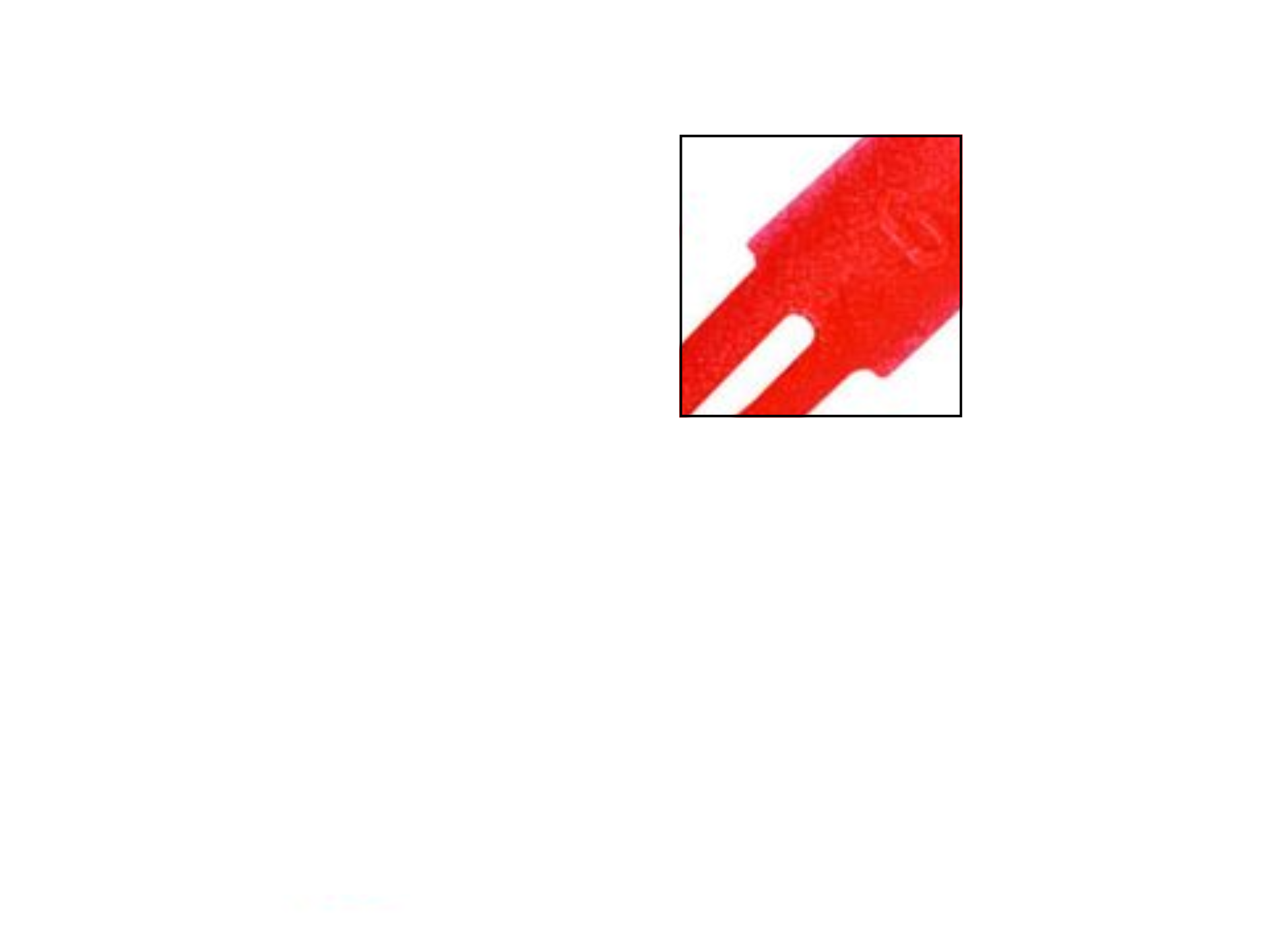
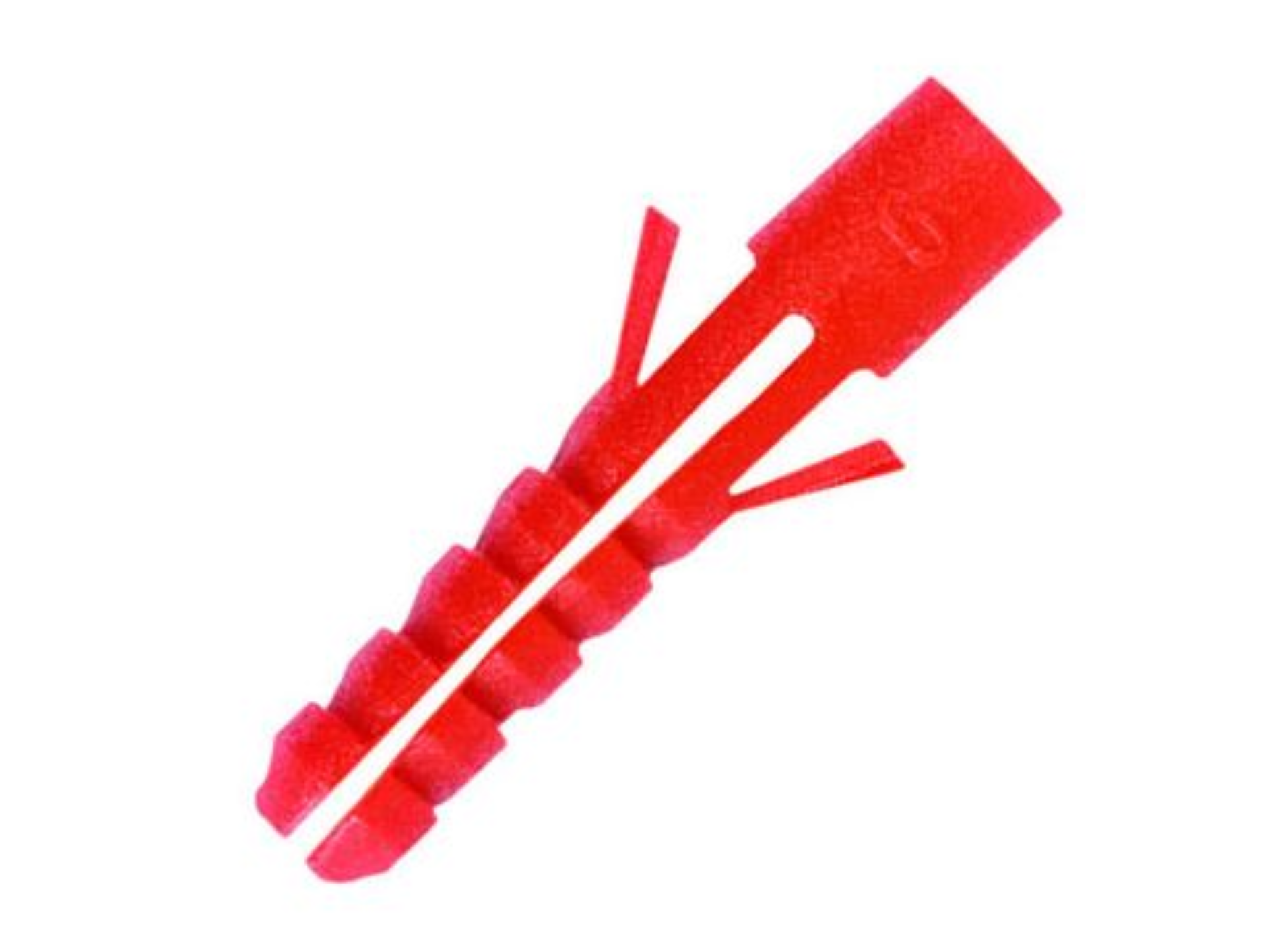
⬆️ Red Wall Plug ⬆️


⬆️ Klein Crimping Tool ⬆️
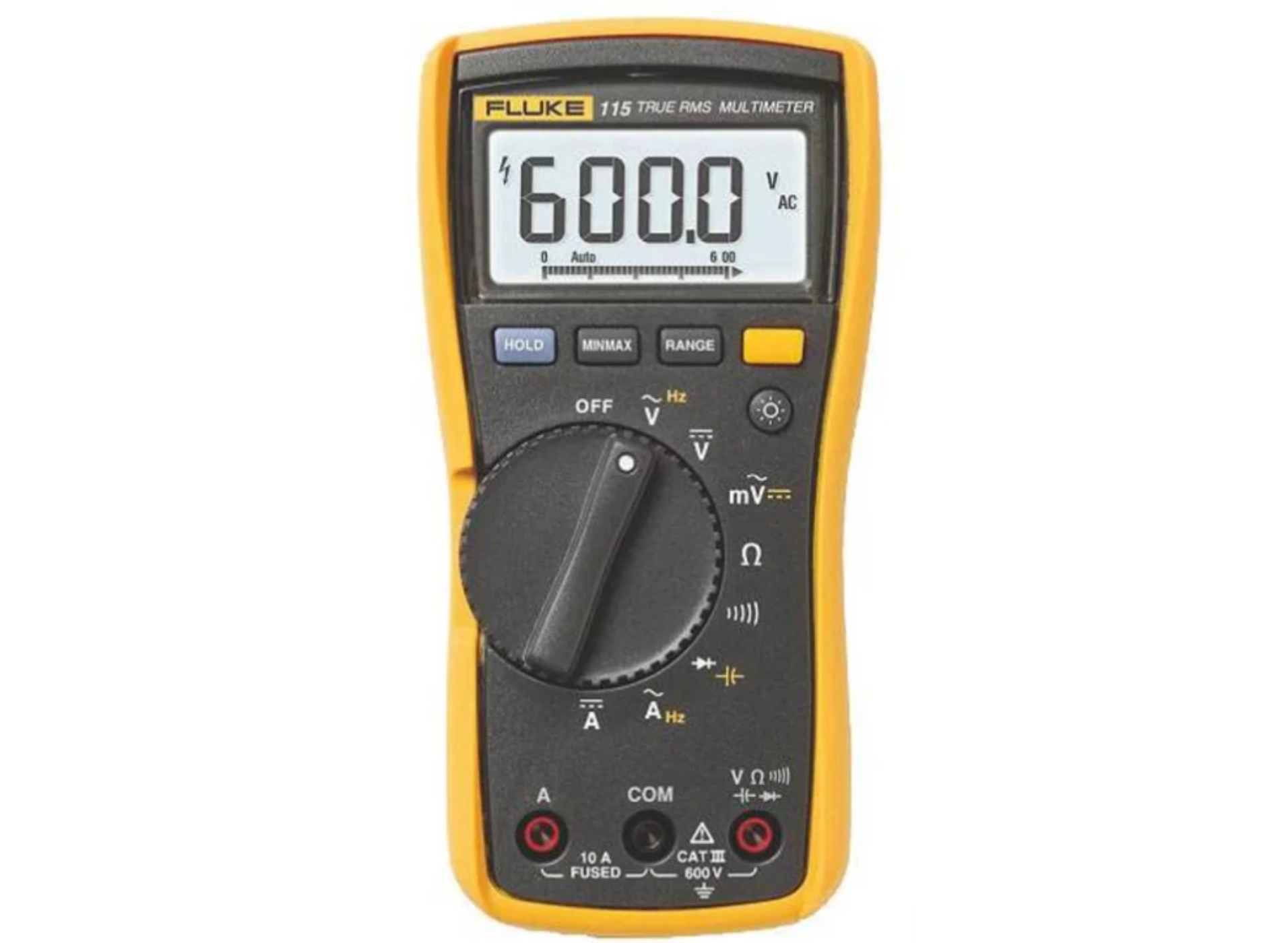
⬆️ Fluke Multi-Meter ⬆️


⬆️ Knipex Snips ⬆️
Did you get all 5 right?...

The Earth is a Giant Battery
The ground itself can store and discharge electricity, acting like a massive capacitor. That's why grounding rods can stabilize electrical systems, they tap into the Earth's natural electrical potential.
Lightning Strikes the Earth 8.6 Million Times a Day
Each bolt carries around 1 billion volts and can reach temperatures five times hotter than the sun! This is why proper earthing is essential to protect buildings and electrical systems from massive energy surges.
Grounding Can Reduce Electromagnetic Interference (EMI)
Ever had flickering lights or mysterious electronic glitches? Poor grounding can create "floating" voltages, leading to unwanted interference in sensitive equipment like medical devices, radio signals, and even Wi-Fi.
The Eiffel Tower Has a Built-in Lightning Protection System
The iron structure is grounded so well that it gets hit by lightning 100 times a year but stays undamaged! Its earthing system safely directs the energy into the ground.
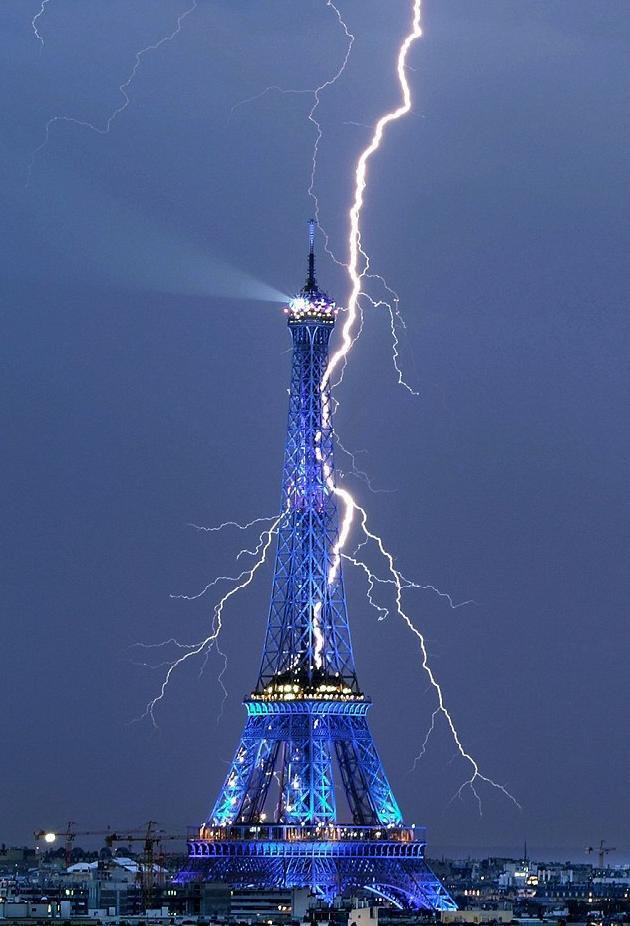 📷 - Reddit - @interestingasf*ck
Underground Earth Mats Create a "Zero Voltage Zone"
Power plants and high voltage substations use massive earth mats buried underground to create a safe, zero-voltage area. These mats prevent dangerous step voltage, a phenomenon where standing in the wrong spot during a fault could give you a lethal shock!
Some Soils Conduct Electricity Better Than Others
Clay and loamy soils are great for grounding, while dry sandy or rocky soils increase resistance, making earthing less effective. That's why electrical engineers test soil resistivity before installing grounding rods.
Aircrafts Have Their Own Grounding Systems In the Sky!
Aeroplanes use static dischargers (small rods on the wingtips) to release built- up static charge into the atmosphere, preventing radio interference and protecting electronics while flying at 35,000 feet.
The First "Earthing" System Dates Back to 1752
Benjamin Franklin's famous kite experiment helped prove that lightning was electrical, leading to the invention of the lightning rod, which became the first widely used earthing protection system.

If you are interested in becoming a sponsor of the newsletter or want to be featured like Mark above please don't hesitate to reach out. Link to contact us below
Contact us here!The material and information contained in this newsletter is for informational purpose only, you should not rely upon the material or information on this newsletter, all readers must make their own judgment and seek professional advice when making decisions based on the context of the newsletter